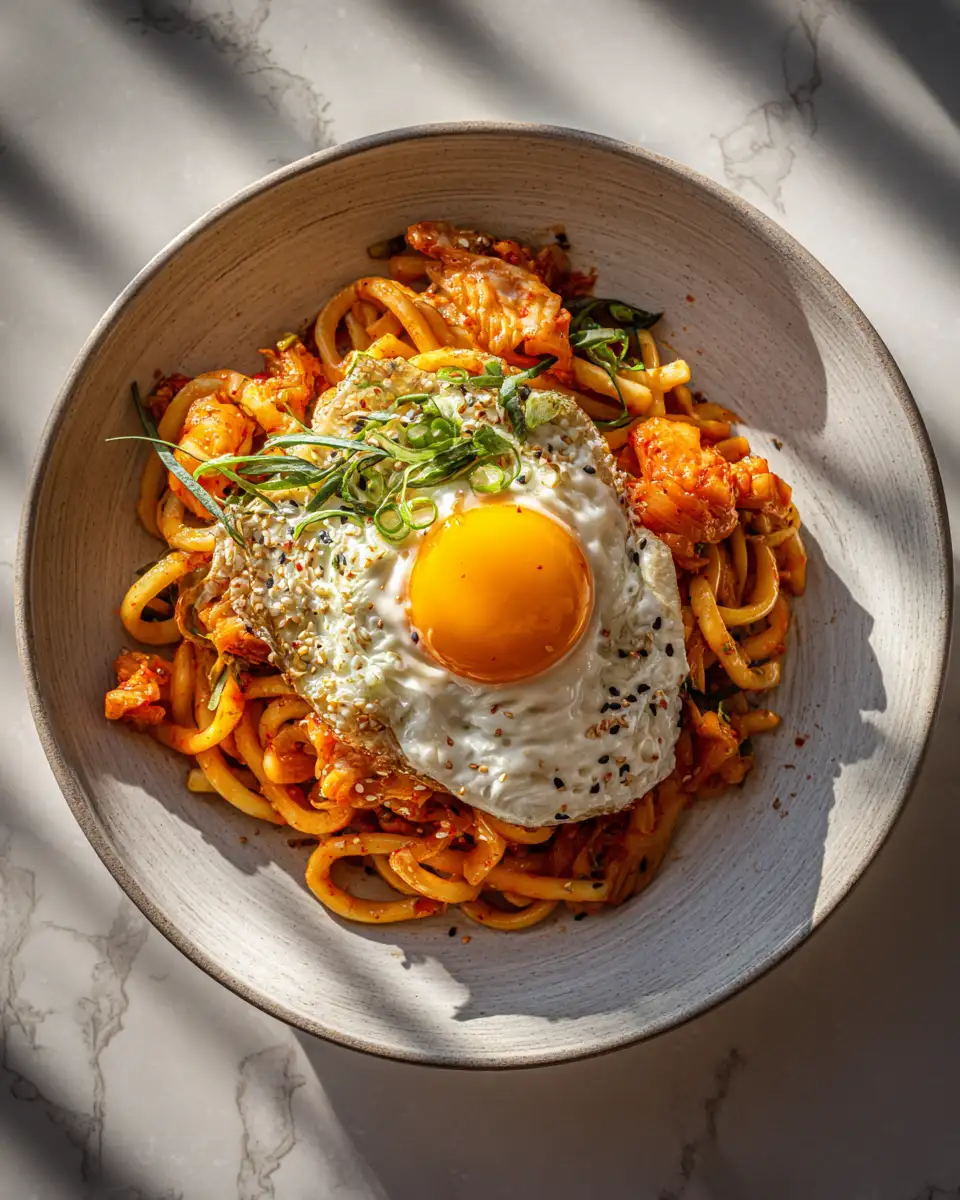
There’s something magical about the way a simple “pasta recipe Korean” can bring people together at the dinner table. Growing up in a coastal town, where the ocean’s breeze was a constant companion, I learned early on that food is more than sustenance—it’s a means of connection. I remember my parents transforming humble pantry staples into feasts that made us forget about the world outside. This Korean-inspired pasta dish does just that, using everyday ingredients to create a meal that feels both exotic and familiar. It’s a recipe that reflects my journey from a small-town kitchen to becoming a home-cook dedicated to making flavorful meals accessible to everyone.
Table of Contents
Why You’ll Love This Pasta Recipe Korean
This pasta recipe Korean is a delightful fusion of flavors that will transport your taste buds to a new world of culinary adventure. As someone who has spent countless evenings crafting meals with budget-friendly ingredients, I can assure you that this dish doesn’t compromise on taste. Whether you’re a seasoned cook or just starting, this recipe offers an approachable yet exciting way to spice up your weeknight dinners. It’s a dish that embodies my passion for creating meals that are both satisfying and simple, with flavors that remind me of those cherished family dinners.
Ingredients You’ll Need for This Pasta Recipe Korean
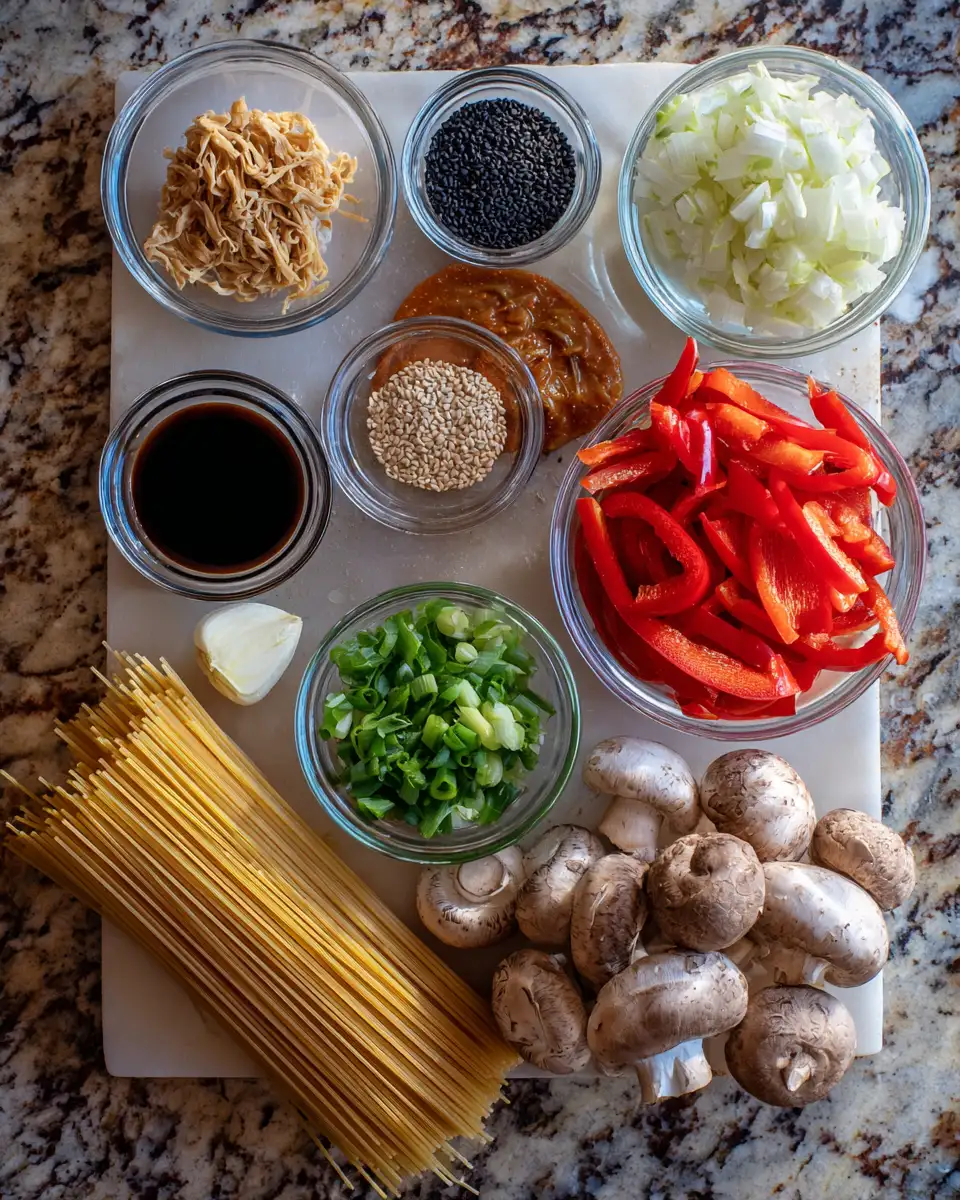
Gathering your ingredients is the first step to culinary success. Here’s what you’ll need:
- 8 ounces spaghetti or your favorite pasta
- 2 tablespoons sesame oil
- 1 tablespoon vegetable oil
- 4 cloves garlic, minced
- 1 tablespoon fresh ginger, grated
- 1/4 cup soy sauce
- 2 tablespoons gochujang (Korean chili paste)
- 1 tablespoon honey or maple syrup
- 1/2 cup sliced scallions
- 1 red bell pepper, thinly sliced
- 1/2 cup sliced mushrooms (optional)
- 1/4 cup chopped cilantro for garnish
- 1 teaspoon sesame seeds for garnish
If you’re missing an ingredient, no worries! Substitute gochujang with sriracha for a different but equally delightful heat, or swap mushrooms for your preferred veggie.
Nutrition Facts
Nutrition is just as important as flavor. Here’s a breakdown of what this dish offers per serving:
- Calories: 450 per serving
- Protein: 12g
- Fat: 18g
- Carbohydrates: 60g
- Fiber: 4g
- Sugar: 8g
- Sodium: 900mg
Fusion Flavors: Discover the Ultimate Korean-Inspired Pasta Recipe
- Total Time: 45 minutes
- Yield: 4 servings 1x
Description
Learn how to make delicious pasta recipe korean. Easy recipe with step-by-step instructions.
Ingredients
Gathering your ingredients is the first step to culinary success. Here’s what you’ll need:
- 8 ounces spaghetti or your favorite pasta
- 2 tablespoons sesame oil
- 1 tablespoon vegetable oil
- 4 cloves garlic, minced
- 1 tablespoon fresh ginger, grated
- 1/4 cup soy sauce
- 2 tablespoons gochujang (Korean chili paste)
- 1 tablespoon honey or maple syrup
- 1/2 cup sliced scallions
- 1 red bell pepper, thinly sliced
- 1/2 cup sliced mushrooms (optional)
- 1/4 cup chopped cilantro for garnish
- 1 teaspoon sesame seeds for garnish
If you’re missing an ingredient, no worries! Substitute gochujang with sriracha for a different but equally delightful heat, or swap mushrooms for your preferred veggie.
Instructions
Follow these steps to create a dish that’s sure to become a family favorite:
- Begin by cooking the pasta according to the package instructions until al dente. Drain and set aside.
- In a large skillet, heat the sesame oil and vegetable oil over medium heat. Add the minced garlic and grated ginger, sautéing for about 1 minute until fragrant.
- Add the sliced bell pepper and mushrooms, cooking for 3-4 minutes until they begin to soften.
- Stir in the soy sauce, gochujang, and honey, mixing well to combine. Let the sauce simmer for 2 minutes to meld the flavors.
- Toss the cooked pasta into the skillet, ensuring it’s well coated with the sauce. Add the scallions and toss everything together for another 2-3 minutes.
- Transfer the pasta to serving plates and garnish with chopped cilantro and sesame seeds.
Remember, cooking is about balancing flavors. If the sauce is too spicy, a splash of lemon juice can tame the heat, a trick I learned from my early kitchen experiments.
- Prep Time: 15 minutes
- Cook Time: 30 minutes
- Category: Main Dish
- Method: Cooking
- Cuisine: International
Keywords: pasta recipe korean, recipe, cooking, food
Steps to Create Your Pasta Recipe Korean
Follow these steps to create a dish that’s sure to become a family favorite: Learn more: Deliciously Irie: Discover the Ultimate Rasta Pasta Jamaican Recipe
- Begin by cooking the pasta according to the package instructions until al dente. Drain and set aside.
- In a large skillet, heat the sesame oil and vegetable oil over medium heat. Add the minced garlic and grated ginger, sautéing for about 1 minute until fragrant.
- Add the sliced bell pepper and mushrooms, cooking for 3-4 minutes until they begin to soften.
- Stir in the soy sauce, gochujang, and honey, mixing well to combine. Let the sauce simmer for 2 minutes to meld the flavors.
- Toss the cooked pasta into the skillet, ensuring it’s well coated with the sauce. Add the scallions and toss everything together for another 2-3 minutes.
- Transfer the pasta to serving plates and garnish with chopped cilantro and sesame seeds.
Remember, cooking is about balancing flavors. If the sauce is too spicy, a splash of lemon juice can tame the heat, a trick I learned from my early kitchen experiments.
Tips for Making the Best Pasta Recipe Korean
To ensure your dish is a hit, here are some tips from my kitchen to yours:
First, always taste as you go. It’s the best way to adjust flavors and ensure everything is balanced. Also, don’t hesitate to get creative. If you have leftover veggies in the fridge, throw them in! This recipe is flexible, much like those Wednesday dinners I hosted during college, where improvisation was key.
Serving Suggestions and Pairings
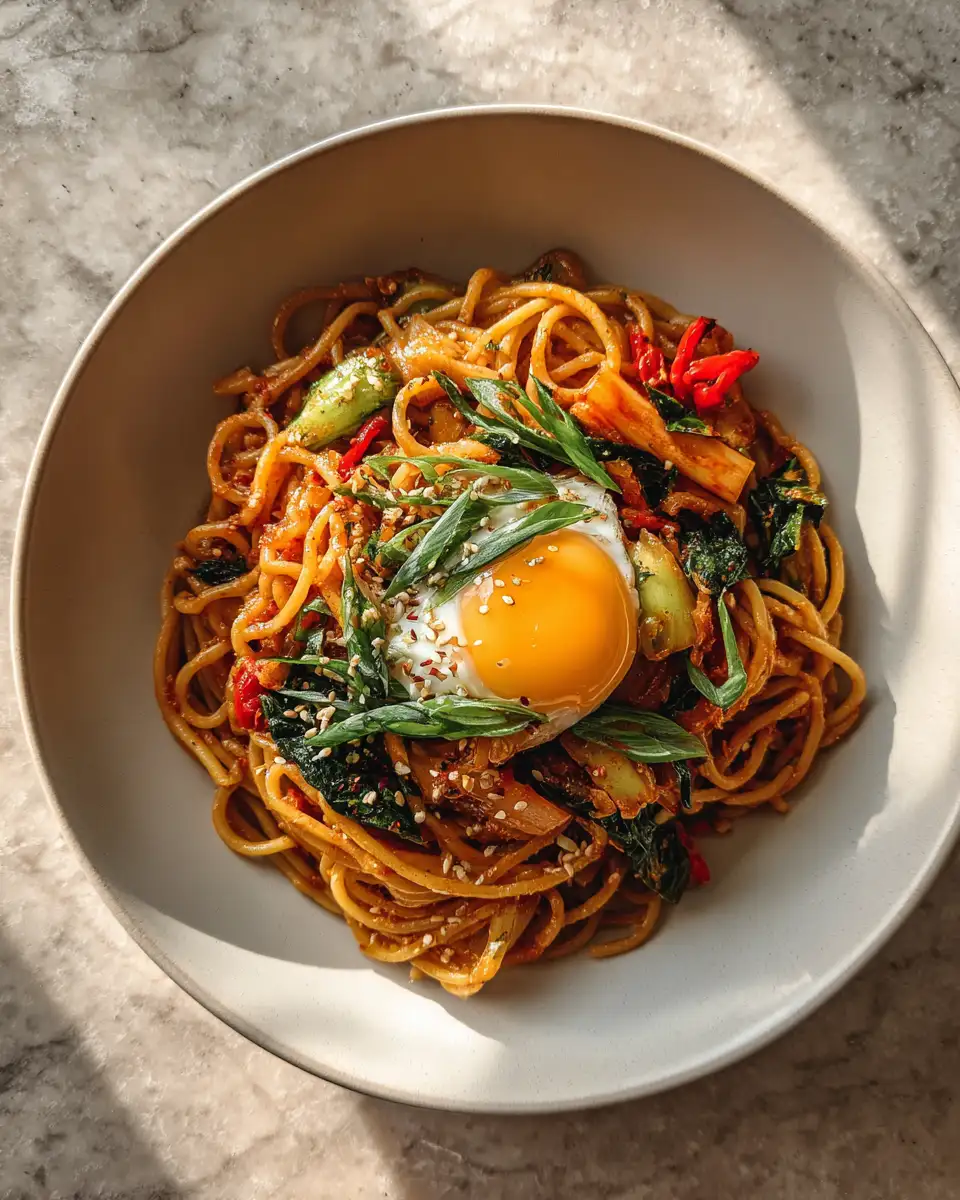
This pasta shines as a standalone dish, but if you’re looking to round out your meal, consider pairing it with a crisp cucumber salad or steamed edamame. I often serve it with a side of kimchi, which adds a delightful tangy crunch that complements the rich flavors of the pasta.
Storage and Reheating Tips
Leftovers can be a lifesaver, and this dish stores beautifully. Keep it in an airtight container in the fridge for up to three days. Reheat on the stovetop over medium heat, adding a splash of water to loosen the sauce if it becomes too thick. From personal experience, this pasta makes for an excellent next-day lunch, perfect for those busy afternoons.
Frequently Asked Questions
What are the main ingredients for pasta recipe korean?
The main ingredients for pasta recipe korean include the items listed in our ingredients section above. Each ingredient plays a crucial role in achieving the perfect flavor and texture.
How long does it take to make pasta recipe korean?
The total time to make pasta recipe korean includes both preparation and cooking time. Check the recipe card above for exact timing details.
Can I make pasta recipe korean ahead of time?
Yes, pasta recipe korean can often be prepared in advance. Store it properly in an airtight container in the refrigerator and consume within the recommended timeframe.
What can I serve with pasta recipe korean?
pasta recipe korean pairs well with various sides and accompaniments. Consider the serving suggestions mentioned in the recipe for the best dining experience.
Is pasta recipe korean suitable for special diets?
Depending on the ingredients used, pasta recipe korean may be adapted for various dietary needs. Check the ingredients list and consider substitutions as needed for your dietary requirements.
Final Thoughts
Embarking on a new culinary adventure with this pasta recipe Korean is an opportunity to bring a taste of Korea to your kitchen, blending tradition with the comfort of pasta. It’s a dish that captures the essence of my cooking philosophy: making delicious meals accessible to all, no matter your skill level. Whether you’re cooking for family, friends, or simply treating yourself, remember that each meal is a chance to connect, share, and create joy around the table. You’ve got this, and I can’t wait to hear how this dish becomes a beloved part of your kitchen repertoire.