
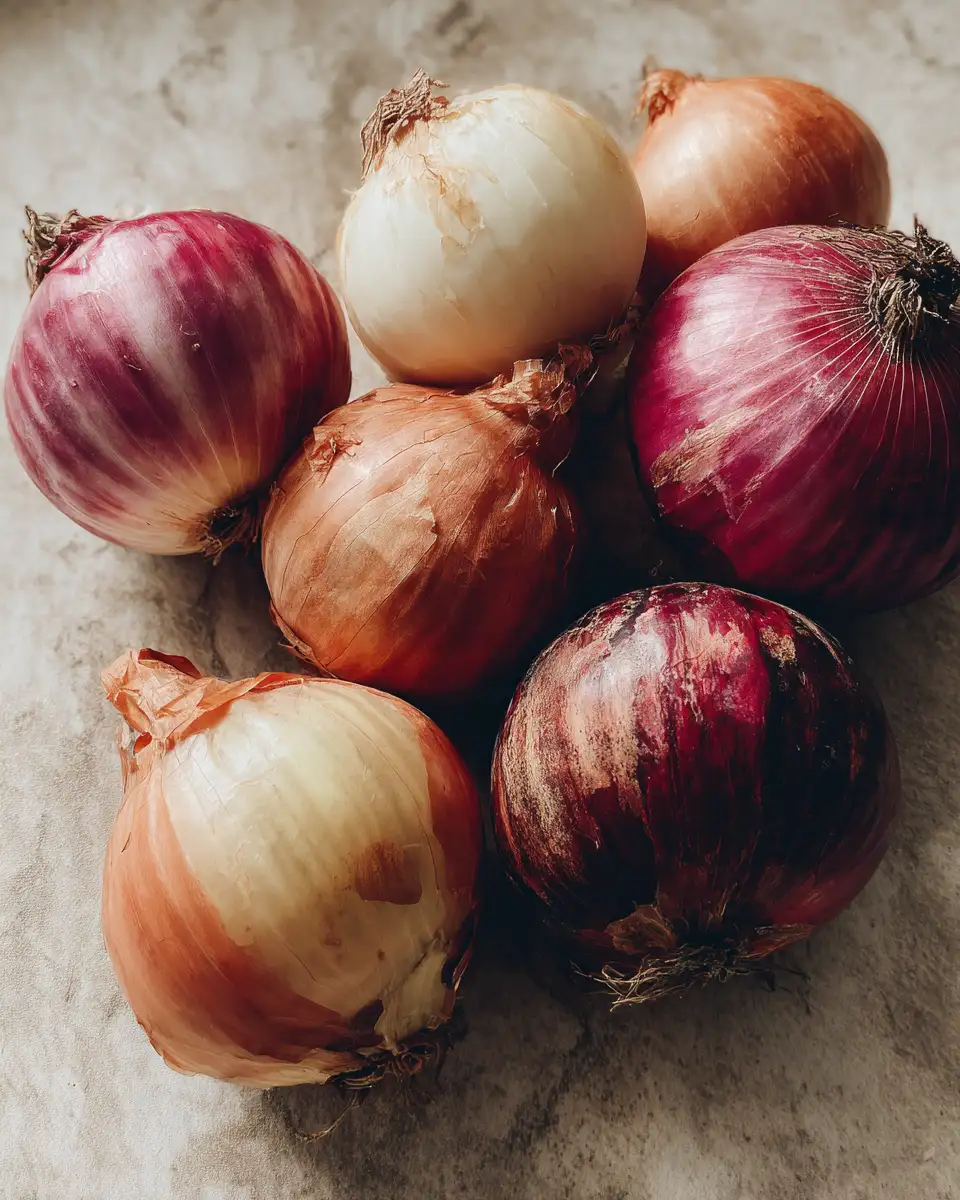
Growing up in a small coastal town, I quickly learned that the best meals are less about fancy ingredients and more about the care and connection they inspire at the table. Tennessee onions have a way of bringing that spirit into the kitchen—they’re sweet, robust, and carry a bit of Southern charm that can turn even the simplest dish into something comforting and memorable. I remember my parents stretching a modest pantry to feed our family, and onions were always a secret hero in those meals. In fact, it was after a particularly salty pot of chili—where I learned the importance of balance—that I started experimenting with ingredient swaps and flavors, a habit that still shapes my cooking today. Tennessee onions are a perfect example of this: humble yet full of flavor, they deserve a spot in your kitchen rotation.
Table of Contents
Why You’ll Love This Tennessee Onions
If you’ve never cooked with Tennessee onions, you’re in for a treat. These onions have a natural sweetness and a firm texture that holds up beautifully whether you’re sautéing, roasting, or caramelizing. From my early kitchen experiments to my family’s weeknight dinners, I’ve found that Tennessee onions add depth without overpowering a dish. What I love most is how versatile they are—they can anchor a simple skillet meal or jazz up a more complex recipe without fuss or fancy techniques.
Another reason they’ve become a staple in my home is their affordability and year-round availability. When I was hosting “Wednesday dinners” in college, stretching a meal for a crowd meant relying on ingredients like these: budget-friendly, reliable, and packed with flavor. Tennessee onions fit the bill perfectly.
Plus, they’re a forgiving ingredient. If you’ve ever oversalted a dish like I did back in the day, onions can help mellow out harsh flavors. Their natural sugars develop as they cook, which can balance acidity or saltiness in a pinch. That’s the kind of kitchen magic I love sharing with readers—turning small challenges into delicious wins.
Ingredients You’ll Need for This Tennessee Onions
- 4 large Tennessee onions, peeled and sliced into 1/4-inch rings
- 2 tablespoons olive oil (or avocado oil for a higher smoke point)
- 1 tablespoon unsalted butter (optional, for richer flavor)
- 1 teaspoon kosher salt
- 1/2 teaspoon freshly ground black pepper
- 1 teaspoon brown sugar (optional, to enhance caramelization)
- 1 tablespoon apple cider vinegar or balsamic vinegar (for a touch of acidity)
- Fresh thyme or rosemary sprigs (optional, for an herbal note)
Substitution tips: If you don’t have Tennessee onions on hand, sweet yellow onions or Vidalia onions can be a good stand-in. For oil, you can use vegetable or canola oil, but I recommend olive oil for its flavor. Butter is optional but adds a lovely richness if your diet allows.
Nutrition Facts
- Calories: Approximately 90 per serving (1/4 of recipe)
- Protein: 1.5g
- Fat: 7g (mostly from olive oil and butter)
- Carbohydrates: 8g
- Fiber: 1.5g
- Sugar: 5g (natural sugars from onions and brown sugar)
- Sodium: 400mg (mostly from added salt)
From my experience feeding a family of three, these numbers reflect a flavorful side dish that fits well into balanced meals. The natural sugars in Tennessee onions make them a sweet surprise, while the fat from the oil and butter helps carry those flavors beautifully.
Print
Discover the Sweet Secrets of Tennessee Onions and How to Savor Them
- Total Time: 45 minutes
- Yield: 4 servings 1x
Description
Learn how to make delicious Tennessee Onions. Easy recipe with step-by-step instructions.
Ingredients
- 4 large Tennessee onions, peeled and sliced into 1/4-inch rings
- 2 tablespoons olive oil (or avocado oil for a higher smoke point)
- 1 tablespoon unsalted butter (optional, for richer flavor)
- 1 teaspoon kosher salt
- 1/2 teaspoon freshly ground black pepper
- 1 teaspoon brown sugar (optional, to enhance caramelization)
- 1 tablespoon apple cider vinegar or balsamic vinegar (for a touch of acidity)
- Fresh thyme or rosemary sprigs (optional, for an herbal note)
Substitution tips: If you don’t have Tennessee onions on hand, sweet yellow onions or Vidalia onions can be a good stand-in. For oil, you can use vegetable or canola oil, but I recommend olive oil for its flavor. Butter is optional but adds a lovely richness if your diet allows.
Instructions
- Start by peeling and slicing the Tennessee onions into even 1/4-inch rings. Uniform slices help them cook evenly, which is something I learned the hard way during my early kitchen blunders.
- In a large skillet, heat the olive oil over medium heat until shimmering. Add the butter if you’re using it—this combo gives the onions a perfect balance of flavor and mouthfeel.
- Add the sliced onions to the skillet, spreading them out evenly. Sprinkle with kosher salt and pepper to draw out moisture and season the layers.
- Cook the onions, stirring occasionally, for about 10 minutes until they start to soften and turn translucent. This is the moment I always pause to smell the kitchen and remind myself that good things take time.
- Sprinkle the brown sugar over the onions to boost caramelization, then continue cooking for another 10-15 minutes, stirring every few minutes to prevent burning. You’re looking for a rich golden color and a sweet, mellow aroma.
- Once caramelized, splash the apple cider or balsamic vinegar over the onions and stir well. This brightens the flavor and adds a subtle tang that elevates the dish.
- If using, toss in fresh thyme or rosemary sprigs during the last few minutes of cooking to infuse herbal notes.
- Remove from heat, discard the herb sprigs, and serve warm.
One tip I learned hosting those college dinners is to keep an eye on the heat—too high and the onions burn, too low and they stew rather than caramelize. Medium heat and patience are your best friends here.
- Prep Time: 15 minutes
- Cook Time: 30 minutes
- Category: Main Dish
- Method: Cooking
- Cuisine: International
Keywords: Tennessee Onions, recipe, cooking, food
Steps to Create Your Tennessee Onions
- Start by peeling and slicing the Tennessee onions into even 1/4-inch rings. Uniform slices help them cook evenly, which is something I learned the hard way during my early kitchen blunders.
- In a large skillet, heat the olive oil over medium heat until shimmering. Add the butter if you’re using it—this combo gives the onions a perfect balance of flavor and mouthfeel.
- Add the sliced onions to the skillet, spreading them out evenly. Sprinkle with kosher salt and pepper to draw out moisture and season the layers.
- Cook the onions, stirring occasionally, for about 10 minutes until they start to soften and turn translucent. This is the moment I always pause to smell the kitchen and remind myself that good things take time.
- Sprinkle the brown sugar over the onions to boost caramelization, then continue cooking for another 10-15 minutes, stirring every few minutes to prevent burning. You’re looking for a rich golden color and a sweet, mellow aroma.
- Once caramelized, splash the apple cider or balsamic vinegar over the onions and stir well. This brightens the flavor and adds a subtle tang that elevates the dish.
- If using, toss in fresh thyme or rosemary sprigs during the last few minutes of cooking to infuse herbal notes.
- Remove from heat, discard the herb sprigs, and serve warm.
One tip I learned hosting those college dinners is to keep an eye on the heat—too high and the onions burn, too low and they stew rather than caramelize. Medium heat and patience are your best friends here. Learn more: Creamy and Refreshing Chocolate Horchata Recipe to Satisfy Your Sweet Tooth
Tips for Making the Best Tennessee Onions
Over the years, I’ve gathered a few tricks that turn good Tennessee onions into unforgettable ones. Here’s what I’ve learned from both kitchen mishaps and successes:
- Use a wide pan: A wide skillet gives onions room to spread out, helping moisture evaporate quickly and encouraging even caramelization.
- Don’t rush the process: Caramelizing onions takes time—usually around 20-25 minutes. Rushing through high heat leads to bitter burnt bits instead of sweet, golden layers.
- Stir occasionally, not constantly: Give the onions a chance to brown in spots before stirring. That little bit of sticking and browning creates complex flavors.
- Season early: Salt helps draw moisture from the onions, which softens them and kickstarts caramelization.
- Experiment with sweetness: Adding a pinch of brown sugar can take the onions from savory to almost candy-like, but adjust based on your taste and the dish you’re pairing them with.
- Keep vinegar handy: A splash of vinegar at the end brightens the dish and balances the natural sweetness.
Serving Suggestions and Pairings
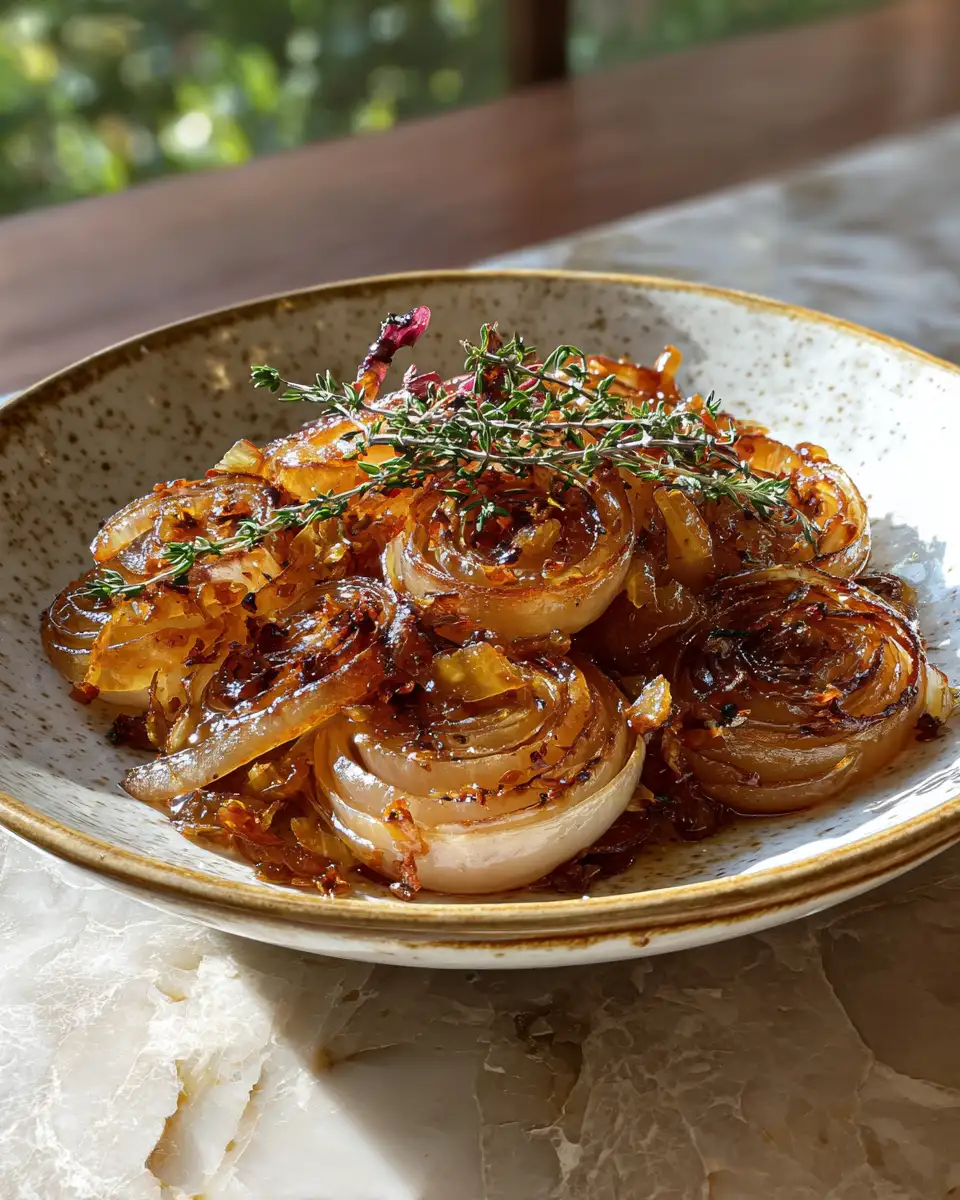
Tennessee onions are a chameleon in the kitchen. I’ve served them alongside everything from grilled chicken to meatloaf, and they never fail to elevate the meal. When Maya and I are short on time, these onions are my go-to for adding flavor and texture without extra fuss.
Here are a few ways I love to serve them:
- On top of a juicy burger or sandwich for that sweet, savory crunch
- Mixed into creamy mashed potatoes or polenta for a comforting twist
- As a bed for roasted pork chops or grilled steak
- Stirred into a frittata or omelet for breakfast or brunch
- Sprinkled over roasted vegetables or tossed with grains for added depth
One of my favorite family moments was watching Eli’s face light up when I sneaked these onions into his dinner. No bargaining needed—that’s the real test in our house!
Storage and Reheating Tips
Leftover Tennessee onions keep well and actually taste better the next day as the flavors meld. Here’s how I handle storage and reheating without losing that fresh-cooked magic:
- Store cooled onions in an airtight container in the fridge for up to 4 days.
- Reheat gently in a skillet over low heat with a splash of water or broth to loosen them up and avoid drying out.
- Microwaving works in a pinch—cover loosely and heat in short bursts, stirring between intervals.
- These onions also freeze well. Spread them out on a baking sheet to flash freeze, then transfer to freezer bags. Use within 2 months for best flavor.
From my experience, reheated Tennessee onions are perfect for quick weeknight meals or as a last-minute flavor booster when time is tight.
Frequently Asked Questions
What are the main ingredients for Tennessee Onions?
The main ingredients for Tennessee Onions include the items listed in our ingredients section above. Each ingredient plays a crucial role in achieving the perfect flavor and texture.
How long does it take to make Tennessee Onions?
The total time to make Tennessee Onions includes both preparation and cooking time. Check the recipe card above for exact timing details.
Can I make Tennessee Onions ahead of time?
Yes, Tennessee Onions can often be prepared in advance. Store it properly in an airtight container in the refrigerator and consume within the recommended timeframe.
What can I serve with Tennessee Onions?
Tennessee Onions pairs well with various sides and accompaniments. Consider the serving suggestions mentioned in the recipe for the best dining experience.
Is Tennessee Onions suitable for special diets?
Depending on the ingredients used, Tennessee Onions may be adapted for various dietary needs. Check the ingredients list and consider substitutions as needed for your dietary requirements.
Final Thoughts
Cooking with Tennessee onions has been a journey that feels deeply connected to my roots—stretching simple ingredients into dishes that bring people together. Whether you’re a beginner or a seasoned home cook, these onions are a friendly, forgiving ingredient that rewards patience and curiosity. Remember when I told you about oversalting that chili at age twelve? It’s moments like those that taught me the value of balance and flavor, which Tennessee onions naturally embody.
So go ahead, embrace the slow caramelization, savor the sweet and savory notes, and bring a little Southern soul to your kitchen. You’ve got this, and your table will thank you.