
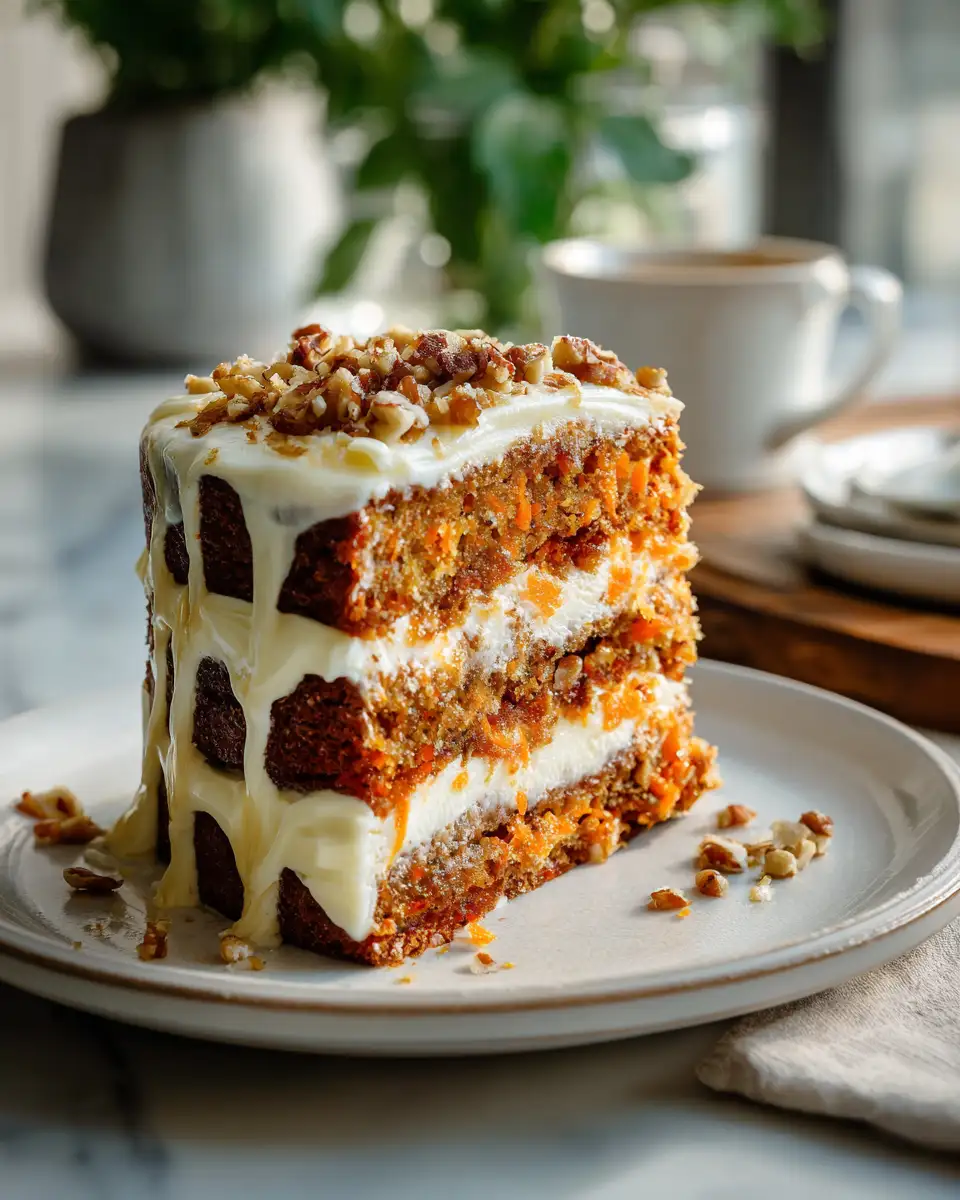
Growing up in a small coastal town, I quickly learned that food was more than just sustenance—it was the glue that held my family together. One of those dishes that always sparked joy at our table was the Carrot Earthquake Cake, a surprisingly simple dessert with a rustic charm that never failed to impress. I remember the first time I whipped it up for Maya and Eli; the way Eli’s eyes lit up as he dug into that slightly crumbly, deeply flavorful cake reminded me why I became passionate about sharing recipes that bring people together. This cake is the perfect blend of comfort and texture, embodying the kind of homey, no-fuss cooking I’ve always loved.
Table of Contents
Why You’ll Love This Carrot Earthquake Cake
Carrot Earthquake Cake isn’t just another carrot cake—it’s a celebration of texture and flavor that’s as approachable as it is delicious. For me, it’s the kind of recipe that takes me back to those Wednesday dinners in college when I’d stretch pantry staples into a meal that felt like a warm hug. The “earthquake” part comes from the cake’s signature cracked, rustic top, which hints at the moist, rich crumb beneath. It’s packed with shredded carrots, warming spices, and a touch of crunch from nuts, making every bite a delightful surprise.
What makes this cake truly special is how forgiving and flexible it is. Whether you’re a seasoned home cook or just starting out (like I was at twelve, when a kitchen mistake nudged me into experimenting), you’ll find this recipe easy to navigate and hard to mess up. Plus, it’s a perfect way to sneak some extra veggies into a dessert, which has always been a win in my household, especially when Eli has to approve it before it earns its spot on the blog.
Ingredients You’ll Need for This Carrot Earthquake Cake
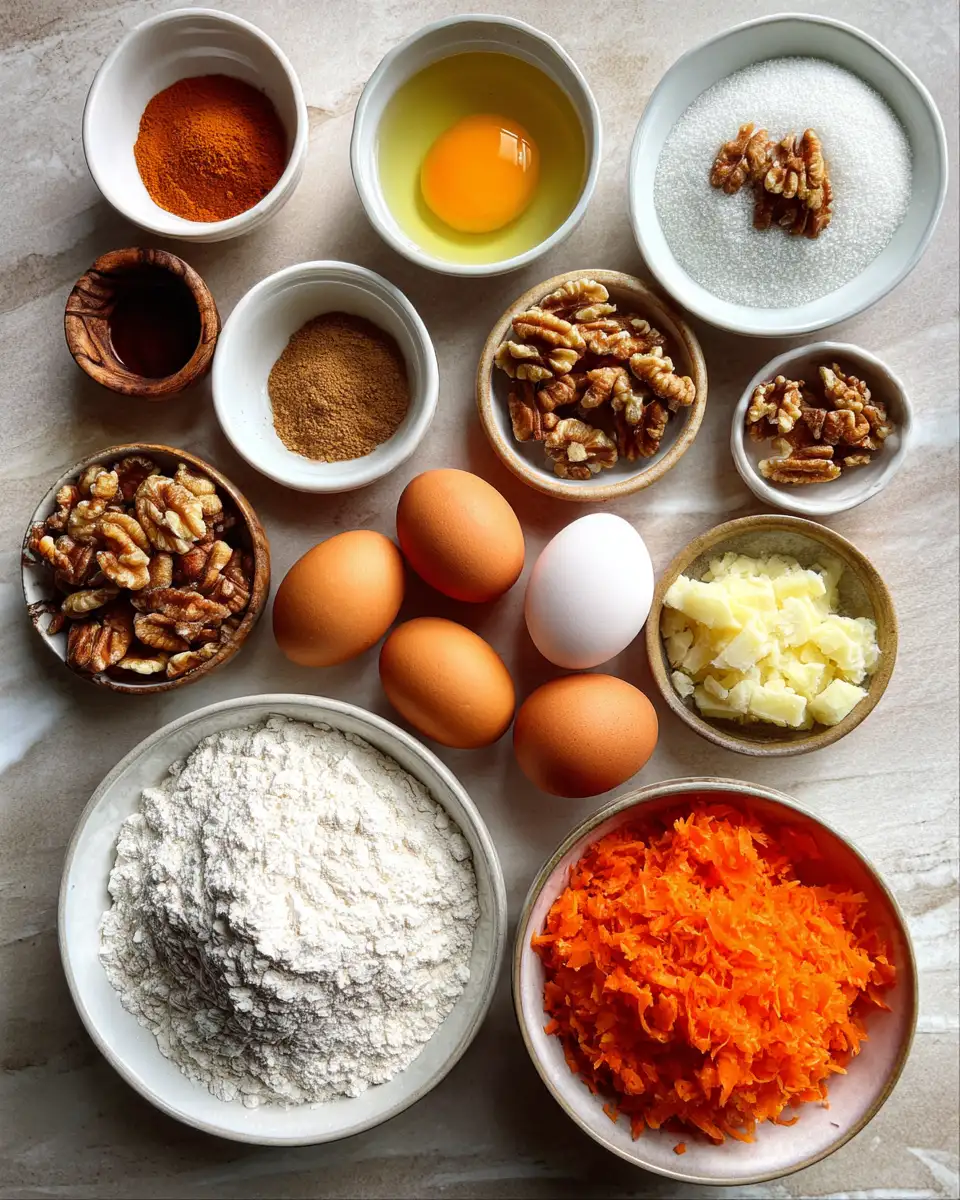
- 2 cups all-purpose flour (can substitute with whole wheat flour for a nuttier flavor)
- 1 1/2 teaspoons baking powder
- 1 teaspoon baking soda
- 1/2 teaspoon salt
- 2 teaspoons ground cinnamon
- 1/2 teaspoon ground nutmeg (optional, but highly recommended)
- 1/2 cup granulated sugar
- 1/2 cup packed light brown sugar
- 3 large eggs
- 1 cup vegetable oil (or substitute with melted coconut oil)
- 1/4 cup plain Greek yogurt or sour cream (helps keep the cake moist)
- 2 cups finely shredded carrots (about 4 medium carrots)
- 1/2 cup chopped walnuts or pecans (optional, for crunch)
- 1 teaspoon vanilla extract
- 1/2 cup crushed pineapple, drained (optional, for extra moisture and subtle sweetness)
In my experience, the substitution options here are great for tweaking the cake to suit what you have on hand—something I learned early on when pantry staples were scarce in my parents’ modest kitchen. For example, swapping brown sugar for a bit more white sugar works fine, though it changes the flavor slightly. And if nuts aren’t your thing or you have nut allergies, sunflower seeds can add a similar texture.
Nutrition Facts
- Calories: Approximately 280 per serving (1 slice, based on 12 slices)
- Protein: 4g
- Fat: 14g (mostly from oil and nuts)
- Carbohydrates: 33g
- Fiber: 3g (thanks to the carrots and whole wheat flour option)
- Sugar: 18g (from natural sugars and added sugars)
- Sodium: 180mg
While carrot cake isn’t a health food per se, the inclusion of veggies and optional whole wheat flour offers some redeeming qualities. I always aim to strike a balance between indulgence and nourishment—something that’s been a guiding principle since those early days of turning simple pantry staples into family meals that felt both satisfying and thoughtful.
Print
The Ultimate Carrot Earthquake Cake Recipe That Will Shake Up Your Dessert Game
- Total Time: 45 minutes
- Yield: 4 servings 1x
Description
Learn how to make delicious Carrot Earthquake Cake. Easy recipe with step-by-step instructions.
Ingredients
- 2 cups all-purpose flour (can substitute with whole wheat flour for a nuttier flavor)
- 1 1/2 teaspoons baking powder
- 1 teaspoon baking soda
- 1/2 teaspoon salt
- 2 teaspoons ground cinnamon
- 1/2 teaspoon ground nutmeg (optional, but highly recommended)
- 1/2 cup granulated sugar
- 1/2 cup packed light brown sugar
- 3 large eggs
- 1 cup vegetable oil (or substitute with melted coconut oil)
- 1/4 cup plain Greek yogurt or sour cream (helps keep the cake moist)
- 2 cups finely shredded carrots (about 4 medium carrots)
- 1/2 cup chopped walnuts or pecans (optional, for crunch)
- 1 teaspoon vanilla extract
- 1/2 cup crushed pineapple, drained (optional, for extra moisture and subtle sweetness)
In my experience, the substitution options here are great for tweaking the cake to suit what you have on hand—something I learned early on when pantry staples were scarce in my parents’ modest kitchen. For example, swapping brown sugar for a bit more white sugar works fine, though it changes the flavor slightly. And if nuts aren’t your thing or you have nut allergies, sunflower seeds can add a similar texture.
Instructions
- Preheat your oven to 350°F (175°C) and grease a 9×13-inch baking pan or line it with parchment paper. This is one of those times when I like to be generous with greasing because the cake’s moisture can stick if you’re not careful.
- In a medium bowl, whisk together the flour, baking powder, baking soda, salt, cinnamon, and nutmeg. This dry mix will give your cake that warm, spiced backbone.
- In a large bowl, beat the granulated sugar, brown sugar, and eggs until the mixture is smooth and slightly pale—about 2-3 minutes. I find this step important for texture; it adds a bit of airiness to the batter.
- Slowly add the oil and vanilla extract to the egg mixture, mixing until fully combined. Then fold in the Greek yogurt or sour cream. This little addition is my secret weapon for moisture, especially when baking for family dinners where leftovers need to stay fresh.
- Gradually add the dry ingredients to the wet ingredients, folding gently with a spatula. You want to mix just enough to combine—overmixing can make the cake dense.
- Fold in the shredded carrots, crushed pineapple (if using), and chopped nuts. The carrots and pineapple bring natural sweetness and moisture, while the nuts add that satisfying crunch Eli always asks for.
- Pour the batter into your prepared pan and spread it evenly. The batter will be thick, which is exactly what you want for that signature cracked, “earthquake” top.
- Bake for 40-45 minutes, or until a toothpick inserted into the center comes out clean or with just a few moist crumbs. I like to start checking around 38 minutes to avoid overbaking—there’s nothing sadder than a dry carrot cake.
- Let the cake cool completely in the pan before slicing. This cake is wonderful on its own or topped with a classic cream cheese frosting, but I often skip frosting on busy weeknights to keep it simple and let the cake’s texture shine.
- Prep Time: 15 minutes
- Cook Time: 30 minutes
- Category: Main Dish
- Method: Cooking
- Cuisine: International
Keywords: Carrot Earthquake Cake, recipe, cooking, food
Steps to Create Your Carrot Earthquake Cake
- Preheat your oven to 350°F (175°C) and grease a 9×13-inch baking pan or line it with parchment paper. This is one of those times when I like to be generous with greasing because the cake’s moisture can stick if you’re not careful.
- In a medium bowl, whisk together the flour, baking powder, baking soda, salt, cinnamon, and nutmeg. This dry mix will give your cake that warm, spiced backbone.
- In a large bowl, beat the granulated sugar, brown sugar, and eggs until the mixture is smooth and slightly pale—about 2-3 minutes. I find this step important for texture; it adds a bit of airiness to the batter.
- Slowly add the oil and vanilla extract to the egg mixture, mixing until fully combined. Then fold in the Greek yogurt or sour cream. This little addition is my secret weapon for moisture, especially when baking for family dinners where leftovers need to stay fresh.
- Gradually add the dry ingredients to the wet ingredients, folding gently with a spatula. You want to mix just enough to combine—overmixing can make the cake dense.
- Fold in the shredded carrots, crushed pineapple (if using), and chopped nuts. The carrots and pineapple bring natural sweetness and moisture, while the nuts add that satisfying crunch Eli always asks for.
- Pour the batter into your prepared pan and spread it evenly. The batter will be thick, which is exactly what you want for that signature cracked, “earthquake” top.
- Bake for 40-45 minutes, or until a toothpick inserted into the center comes out clean or with just a few moist crumbs. I like to start checking around 38 minutes to avoid overbaking—there’s nothing sadder than a dry carrot cake.
- Let the cake cool completely in the pan before slicing. This cake is wonderful on its own or topped with a classic cream cheese frosting, but I often skip frosting on busy weeknights to keep it simple and let the cake’s texture shine.
Tips for Making the Best Carrot Earthquake Cake
From my years of trial and error—starting with that chili oversalt fiasco at twelve—to cooking for an active family today, I’ve picked up a few tips to help you nail this cake every time: Learn more: Whip Up Wonder: The Ultimate Recipe for Magic Lemon Cobbler
- Shred the carrots finely: Coarser shreds can affect the texture, making it uneven. I use the small holes on my box grater or a food processor for speed.
- Don’t skip the yogurt or sour cream: It’s key for moisture and balance, especially if you’re using whole wheat flour.
- Be gentle when mixing: Overmixing flour can lead to a tough cake—fold just until combined.
- Experiment with add-ins: My family loves toasted coconut or raisins tossed in for variety.
- Let it cool: Patience pays off. Cutting too soon can cause the cake to crumble more than it should.
“Cooking is about patience and balance—something I learned the hard way but now cherish in every recipe I develop.”
Serving Suggestions and Pairings

I like to serve Carrot Earthquake Cake on its own with a hot cup of tea or coffee, which makes for a cozy afternoon treat. For special occasions or weekends, a dollop of whipped cream or a smear of cream cheese frosting elevates it beautifully without overwhelming the cake’s natural flavors.
Since this cake has a bit of spice and natural sweetness, it pairs well with fresh fruit on the side—think sliced pears or berries—or even a tangy citrus salad to cut through the richness. At home, Eli loves it alongside a cold glass of milk, while Maya appreciates a scoop of vanilla ice cream for an extra indulgent finish.
Storage and Reheating Tips
Like many of the recipes I’ve developed over the years, this cake is perfect for making ahead and saving for later. Here’s how to keep your Carrot Earthquake Cake fresh and delicious:
- Room temperature: Store covered tightly with plastic wrap or in an airtight container for up to 3 days.
- Refrigeration: Keep it in an airtight container for up to a week. Bring to room temperature before serving for best flavor.
- Freezing: Wrap individual slices in plastic wrap and place in a freezer-safe bag for up to 3 months. Thaw overnight in the fridge or at room temperature.
- Reheating: Warm slices gently in a microwave for 15-20 seconds or in a 300°F oven for about 10 minutes to revive that freshly baked feel.
These tips come from years of balancing a busy household kitchen—between Eli’s picky palate and Maya’s work schedule, being able to prep and store dishes without sacrificing taste is a game changer.
Frequently Asked Questions
What are the main ingredients for Carrot Earthquake Cake?
The main ingredients for Carrot Earthquake Cake include the items listed in our ingredients section above. Each ingredient plays a crucial role in achieving the perfect flavor and texture.
How long does it take to make Carrot Earthquake Cake?
The total time to make Carrot Earthquake Cake includes both preparation and cooking time. Check the recipe card above for exact timing details.
Can I make Carrot Earthquake Cake ahead of time?
Yes, Carrot Earthquake Cake can often be prepared in advance. Store it properly in an airtight container in the refrigerator and consume within the recommended timeframe.
What can I serve with Carrot Earthquake Cake?
Carrot Earthquake Cake pairs well with various sides and accompaniments. Consider the serving suggestions mentioned in the recipe for the best dining experience.
Is Carrot Earthquake Cake suitable for special diets?
Depending on the ingredients used, Carrot Earthquake Cake may be adapted for various dietary needs. Check the ingredients list and consider substitutions as needed for your dietary requirements.
Final Thoughts
Carrot Earthquake Cake is more than just a recipe; it’s a nod to the kind of cooking I grew up with—simple, flavorful, and meant to bring people close. It’s a recipe that’s easy enough to make on a busy weeknight yet special enough for weekend gatherings. Whether you’re a beginner or a seasoned home cook, this cake offers a comforting balance of texture, spice, and sweetness that’s hard to beat.
My hope is that when you make this cake, it becomes part of your family’s story, just like it has for mine. Remember, cooking isn’t about perfection—it’s about joy, connection, and a little bit of experimentation. So grab those carrots, preheat your oven, and know that you’ve got this. Here’s to many more shared meals and sweet moments around your table.