
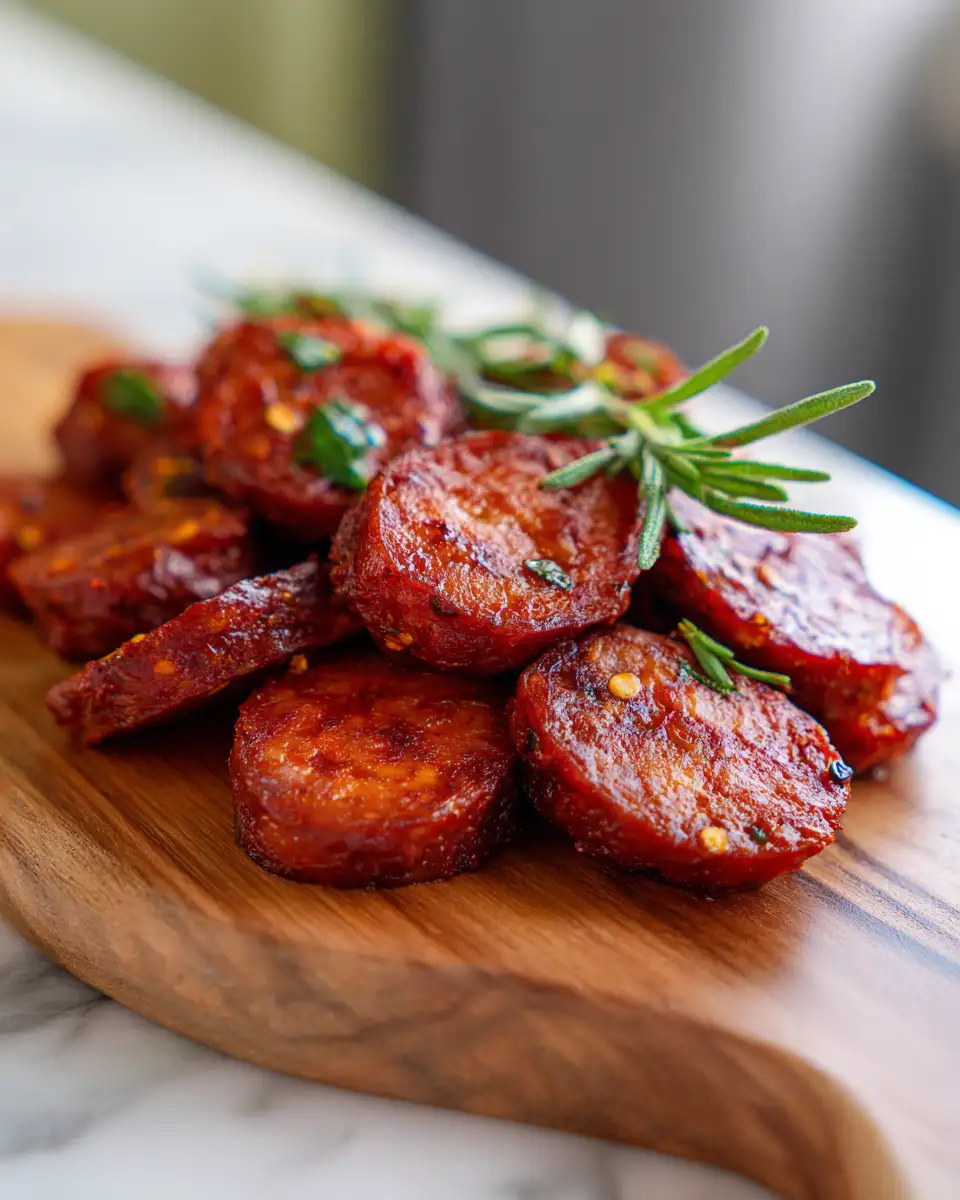
There’s something deeply satisfying about making Homemade Filipino Chorizo from scratch. Growing up in a small coastal town, my family dinners were all about bringing everyone together, often around simple, flavorful dishes crafted from pantry staples. I still remember the first time I tried making chorizo, inspired by those family moments and my early kitchen experiments—like the chili disaster that taught me the art of balance and fixing mistakes on the fly. This recipe is a nod to those roots, blending traditional Filipino flavors with approachable techniques that anyone can master in their own kitchen.
Table of Contents
Why You’ll Love This Homemade Filipino Chorizo
Homemade Filipino Chorizo is a game-changer for anyone who loves bold, savory sausages but wants full control over ingredients and flavor. Unlike store-bought versions, this recipe lets you tailor the spice level and sweetness to your family’s taste—something I learned early on hosting my “Wednesday dinners” in college. What’s more, it’s budget-friendly and surprisingly straightforward, perfect for weeknight cooking or meal prepping.
Beyond flavor, making your own chorizo brings a sense of accomplishment and connection to the food you serve. I’ve found that when Maya and I make this together, with little Eli eagerly watching, it turns into a shared ritual that strengthens our family bond—just like my parents did with their simple, stretched meals back home. Plus, it freezes beautifully, so you can enjoy authentic Filipino flavors anytime without the fuss.
Ingredients You’ll Need for This Homemade Filipino Chorizo
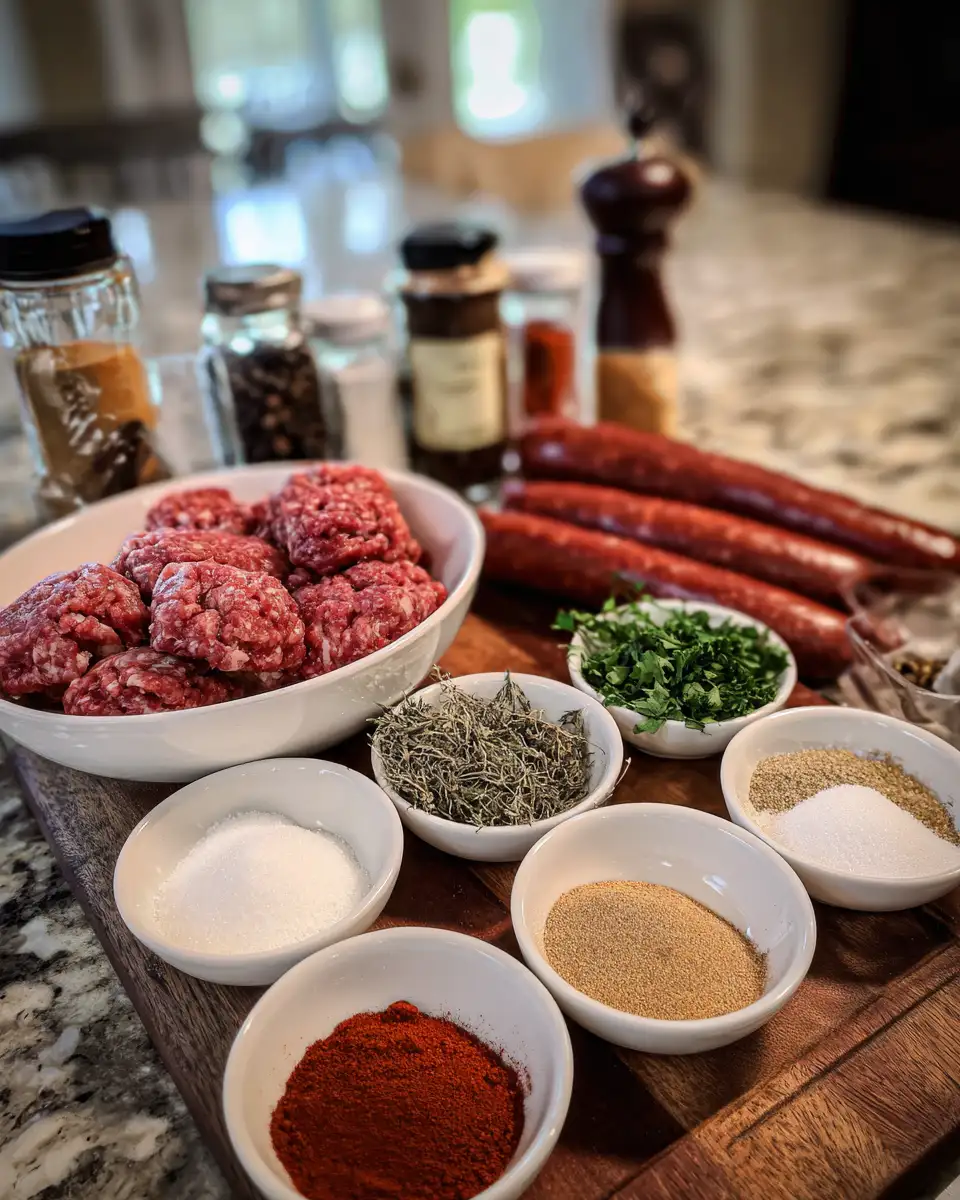
- 1 pound ground pork (preferably 80% lean for juiciness)
- 2 tablespoons brown sugar (adjust for sweetness)
- 2 teaspoons kosher salt
- 1 teaspoon freshly ground black pepper
- 1 tablespoon smoked paprika (adds that smoky depth)
- 1 tablespoon garlic powder (or 3 cloves fresh garlic, minced)
- 1 teaspoon ground coriander
- 1 teaspoon dried oregano
- 1 tablespoon apple cider vinegar (for tang and tenderizing)
- 1 teaspoon chili flakes (optional, for heat)
- Natural sausage casings (optional, if you want traditional links)
If you don’t have pork on hand, ground chicken or turkey works well, though the texture will be leaner. For a pantry-friendly swap, white vinegar can replace apple cider vinegar, but it’s less mellow. And if you don’t have sausage casings, no worries—you can shape the mixture into patties or logs and cook them just as easily.
Nutrition Facts
- Calories: Approximately 280 per 3-ounce serving
- Protein: 20g
- Fat: 20g (mostly from the pork fat)
- Carbohydrates: 3g
- Fiber: 0.5g
- Sugar: 2.5g (from brown sugar)
- Sodium: 600mg
These values are based on typical portions and ingredients. The fat content can vary depending on the pork’s leanness, so feel free to adjust based on your dietary preferences. I always keep an eye on sodium, especially since my parents taught me the importance of seasoning for flavor without overdoing it—something I still carry into every recipe I develop.
Print
Bold and Flavorful Homemade Filipino Chorizo Recipe You Need to Try
- Total Time: 45 minutes
- Yield: 4 servings 1x
Description
Learn how to make delicious Homemade Filipino Chorizo. Easy recipe with step-by-step instructions.
Ingredients
- 1 pound ground pork (preferably 80% lean for juiciness)
- 2 tablespoons brown sugar (adjust for sweetness)
- 2 teaspoons kosher salt
- 1 teaspoon freshly ground black pepper
- 1 tablespoon smoked paprika (adds that smoky depth)
- 1 tablespoon garlic powder (or 3 cloves fresh garlic, minced)
- 1 teaspoon ground coriander
- 1 teaspoon dried oregano
- 1 tablespoon apple cider vinegar (for tang and tenderizing)
- 1 teaspoon chili flakes (optional, for heat)
- Natural sausage casings (optional, if you want traditional links)
If you don’t have pork on hand, ground chicken or turkey works well, though the texture will be leaner. For a pantry-friendly swap, white vinegar can replace apple cider vinegar, but it’s less mellow. And if you don’t have sausage casings, no worries—you can shape the mixture into patties or logs and cook them just as easily.
Instructions
- In a large bowl, combine the ground pork with brown sugar, salt, black pepper, smoked paprika, garlic powder, coriander, oregano, and chili flakes if using. I like to use my hands here—there’s something about feeling the mix that helps me get a sense of the texture.
- Add the apple cider vinegar and mix thoroughly until all ingredients are evenly distributed. This step is key—it balances the sweetness and adds a subtle tang that brightens the flavor.
- Cover the bowl with plastic wrap and refrigerate for at least 2 hours, preferably overnight. I’ve found that letting the flavors marry overnight is a game changer, especially when you’re planning to make these ahead for a busy week.
- If using sausage casings, soak them in warm water for about 30 minutes, then rinse thoroughly. Stuff the mixture into the casings using a sausage stuffer or a piping bag fitted with a wide tip. Twist into links of your preferred size. If you don’t have casings, shape the mixture into 3-inch patties or logs.
- Heat a skillet over medium heat and lightly oil it. Cook the chorizo sausages or patties for about 5-7 minutes per side, until browned and cooked through. You’re looking for an internal temperature of 160°F to be safe. The aroma at this stage will remind you of those family dinners where the kitchen smells like home.
- Remove from heat and let rest for 5 minutes before serving. This keeps the juices locked in, making every bite juicy and flavorful.
One tip from my early kitchen experiments—don’t rush the cooking. Low and slow heat helps the sugar caramelize and the spices bloom without burning. It’s a lesson I learned the hard way, after a few charred attempts in my college kitchen.
- Prep Time: 15 minutes
- Cook Time: 30 minutes
- Category: Main Dish
- Method: Cooking
- Cuisine: International
Keywords: Homemade Filipino Chorizo, recipe, cooking, food
Steps to Create Your Homemade Filipino Chorizo
- In a large bowl, combine the ground pork with brown sugar, salt, black pepper, smoked paprika, garlic powder, coriander, oregano, and chili flakes if using. I like to use my hands here—there’s something about feeling the mix that helps me get a sense of the texture.
- Add the apple cider vinegar and mix thoroughly until all ingredients are evenly distributed. This step is key—it balances the sweetness and adds a subtle tang that brightens the flavor.
- Cover the bowl with plastic wrap and refrigerate for at least 2 hours, preferably overnight. I’ve found that letting the flavors marry overnight is a game changer, especially when you’re planning to make these ahead for a busy week.
- If using sausage casings, soak them in warm water for about 30 minutes, then rinse thoroughly. Stuff the mixture into the casings using a sausage stuffer or a piping bag fitted with a wide tip. Twist into links of your preferred size. If you don’t have casings, shape the mixture into 3-inch patties or logs.
- Heat a skillet over medium heat and lightly oil it. Cook the chorizo sausages or patties for about 5-7 minutes per side, until browned and cooked through. You’re looking for an internal temperature of 160°F to be safe. The aroma at this stage will remind you of those family dinners where the kitchen smells like home.
- Remove from heat and let rest for 5 minutes before serving. This keeps the juices locked in, making every bite juicy and flavorful.
One tip from my early kitchen experiments—don’t rush the cooking. Low and slow heat helps the sugar caramelize and the spices bloom without burning. It’s a lesson I learned the hard way, after a few charred attempts in my college kitchen.
Tips for Making the Best Homemade Filipino Chorizo
Over the years, I’ve picked up a few tricks that turn a good chorizo into a great one. First, don’t underestimate the power of balance. My twelve-year-old self learned this the hard way when oversalting chili forced me to rethink seasoning—same goes for chorizo. Taste your mixture before cooking by frying a small patty; adjust the salt and sweetness as needed. Learn more: Crispy Parmesan Roasted Broccoli Recipe You Need to Try
Next, use fresh spices wherever possible. Spices lose potency over time, and fresh garlic adds a punch that garlic powder can’t fully replicate.
Another tip: keep your meat mixture cold until cooking. Warm fat can make the sausages greasy. When I’m making chorizo for family meals, I often chill the mixture in the fridge or freezer just until firm, especially in warmer months.
Lastly, don’t be afraid to experiment with heat levels. My family loves a little kick, so I add chili flakes, but you can dial it back or amp it up depending on your crowd. Remember, this recipe is a foundation—you can build on it.
“Cooking is about connection, creativity, and a little bit of trial and error. Homemade Filipino Chorizo embodies all three.”
Serving Suggestions and Pairings

When it comes to serving Homemade Filipino Chorizo, the options are as versatile as my college “Wednesday dinners.” You can slice it up and toss it into garlic fried rice for a classic breakfast combo that Eli always devours without negotiation. It’s also fantastic crumbled into scrambled eggs or as a hearty addition to noodle dishes like pancit.
For a simple dinner, pair the chorizo with a side of sautéed greens and a fried egg on top. The richness of the sausage complements the fresh, slightly bitter greens beautifully. I’ve also found that a quick vinegar-based dipping sauce—made with cane vinegar, garlic, and a dash of soy sauce—brings out the chorizo’s best flavors.
If you want to go the extra mile, try wrapping your chorizo in lumpia wrappers and frying it up for a crispy appetizer or snack. It’s a hit at family gatherings and a great way to introduce Filipino flavors to friends new to the cuisine.
Storage and Reheating Tips
One of the things I love most about making Homemade Filipino Chorizo is how well it stores. You can keep uncooked sausage logs or patties in the refrigerator for up to two days, but for longer storage, freezing is your best bet. I usually portion the chorizo into freezer bags, flattening them to save space, and label with the date. It keeps well for up to three months.
When you’re ready to cook, thaw overnight in the fridge for best results. For reheating cooked chorizo, I recommend pan-frying over medium heat until warmed through to maintain crisp edges and juicy interiors. Microwaving is convenient but can make the texture rubbery, something I learned after a rushed meal with friends back in college.
Frequently Asked Questions
What are the main ingredients for Homemade Filipino Chorizo?
The main ingredients for Homemade Filipino Chorizo include the items listed in our ingredients section above. Each ingredient plays a crucial role in achieving the perfect flavor and texture.
How long does it take to make Homemade Filipino Chorizo?
The total time to make Homemade Filipino Chorizo includes both preparation and cooking time. Check the recipe card above for exact timing details.
Can I make Homemade Filipino Chorizo ahead of time?
Yes, Homemade Filipino Chorizo can often be prepared in advance. Store it properly in an airtight container in the refrigerator and consume within the recommended timeframe.
What can I serve with Homemade Filipino Chorizo?
Homemade Filipino Chorizo pairs well with various sides and accompaniments. Consider the serving suggestions mentioned in the recipe for the best dining experience.
Is Homemade Filipino Chorizo suitable for special diets?
Depending on the ingredients used, Homemade Filipino Chorizo may be adapted for various dietary needs. Check the ingredients list and consider substitutions as needed for your dietary requirements.
Final Thoughts
Making Homemade Filipino Chorizo isn’t just about the sausage—it’s about the stories, the family connections, and the joy of crafting something real and delicious from scratch. Whether you’re a seasoned home cook or just starting out, this recipe offers a wonderful way to bring bold Filipino flavors into your kitchen with confidence and ease.
Like the early days of my culinary journey—when a salty chili mishap turned into a lesson in flavor balance—this chorizo invites you to experiment, adapt, and share. I hope it becomes a beloved part of your meal rotation, just as it has in mine, bringing warmth, comfort, and a little bit of home to your table.